
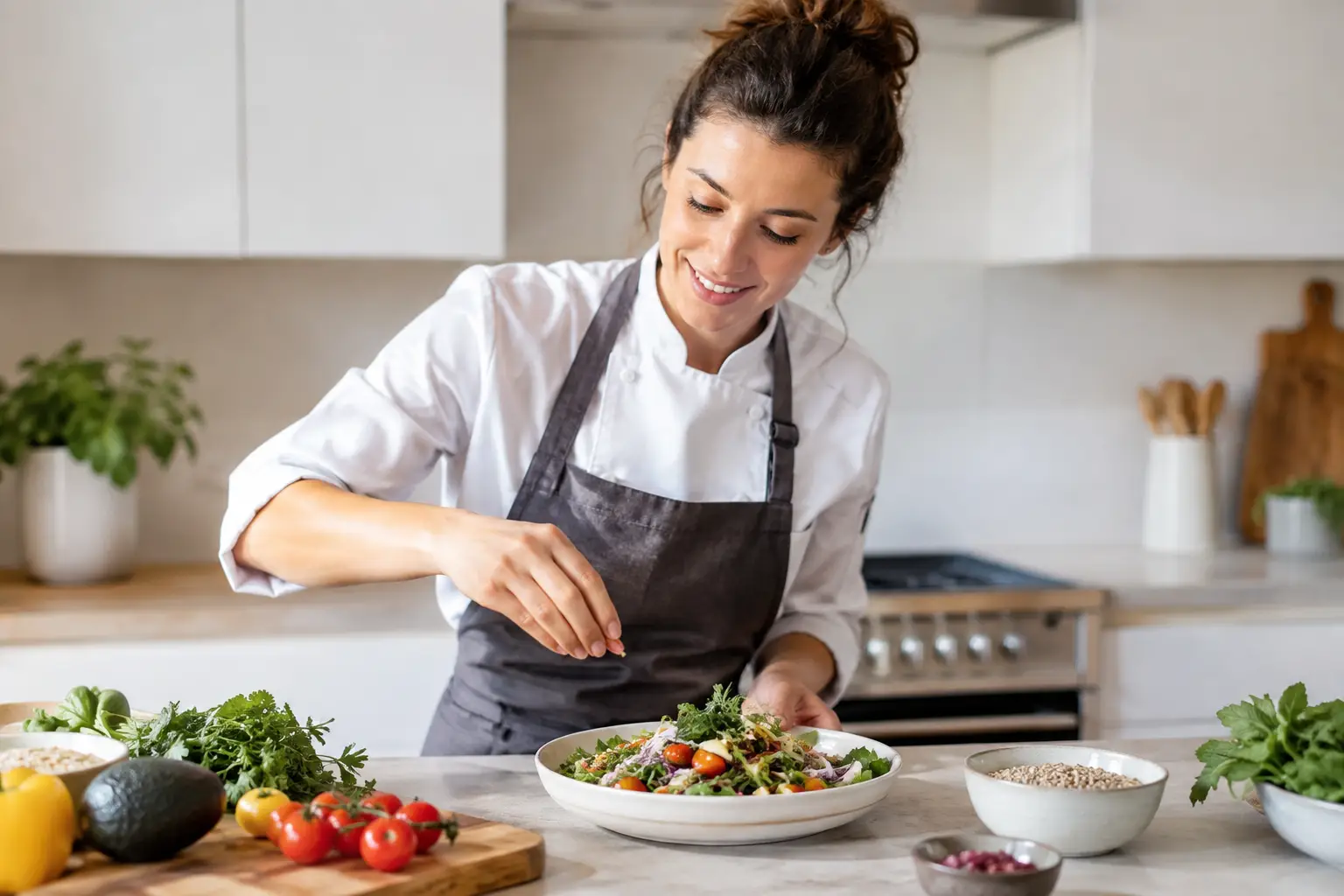
What to Expect From a Gluten Free Chef at Home
A beautiful dinner should not begin with a guest scanning labels, asking what was used in the sauce, or wondering whether the shared bread basket changed the safety of the meal. A skilled gluten free chef brings calm to that moment. The goal is not simply to remove wheat from a plate. It is to create a considered, generous meal where every guest can settle in and enjoy the occasion.
For hosts planning a private dinner in Mallorca, this distinction matters. Gluten-free dining can be wonderfully abundant, especially when a menu is built around seasonal produce, quality seafood, meats, rice, legumes, olive oil, and naturally gluten-free grains. But confidence comes from the planning behind the menu as much as from the finished dish.
A gluten free chef plans beyond the obvious
The most visible part of gluten-free cooking is easy to recognize: no conventional pasta, bread, pastry, or flour-thickened sauces. The more exacting work happens earlier, when the chef considers every component and its route into the kitchen.
A well-designed menu begins with the dishes that are naturally suited to gluten-free preparation, rather than relying on a chain of substitutions. This creates food that feels intentional. A crisp vegetable starter, a carefully prepared fish course, slow-cooked meat with a seasonal garnish, or a rice-based main can be every bit as elegant as a traditional menu, without asking guests to accept a lesser version of the experience.
That said, gluten-free cooking is not a single rulebook. One guest may simply prefer to avoid gluten, while another has celiac disease and requires strict attention to cross-contact. A thoughtful chef will ask the right questions before proposing dishes: whether the requirement is medical, how sensitive the guest is, whether certified gluten-free products are needed, and whether other ingredients must also be avoided.
Those details shape the menu. They may affect the choice of stock, spice blend, cured meat, chocolate, vinegar, or garnish, not just the main course. A polished dining experience depends on treating those questions as part of the menu design, not as an afterthought added once everyone is seated.
Cross-contact is where expertise shows
A dish can contain no gluten ingredients and still be unsuitable for someone with celiac disease if it has encountered crumbs, flour dust, shared oil, or utensils used for conventional bread or pasta. This is the difference between offering a gluten-free option and cooking with a clear gluten-free protocol.
In a private-home setting, kitchens vary widely. Some are spacious and exceptionally equipped; others are compact holiday kitchens with limited work surfaces and a mix of previous guests' supplies. An experienced chef assesses the environment and organizes the preparation accordingly.
Separate boards, clean utensils, dedicated pans where needed, fresh gloves or handwashing between tasks, and careful storage all reduce unnecessary risk. Ingredient packaging also deserves scrutiny. A label may reveal gluten in a product that appears harmless at first glance, or warn that it was produced in a facility where cross-contact is possible.
No responsible chef should make casual promises about medical safety without understanding the guest's needs and the kitchen conditions. For a guest with celiac disease or a high level of sensitivity, direct, early communication is essential. It allows the chef to set appropriate expectations and make decisions that respect the seriousness of the requirement.
The kitchen conversation matters
When arranging a gluten-free meal, share dietary information when you first inquire, not on the day of the dinner. Include the number of gluten-free guests, the reason for the requirement, any diagnosis or sensitivity that calls for particular care, and whether other dietary needs are involved.
It is also helpful to mention any products guests especially miss or love. Perhaps they would enjoy a refined gluten-free pasta course, a dessert with no compromise in texture, or a menu that avoids imitation products altogether. These preferences give the chef direction while leaving room for creativity.
For hosts, this conversation removes uncertainty. For the chef, it creates the conditions to source appropriately, prepare deliberately, and serve a menu that feels personal rather than restricted.
Flavor should lead the menu
The best gluten-free menus do not announce themselves with every bite. They are memorable because they have balance: brightness and richness, texture and freshness, familiarity and surprise. Gluten-free flour blends and specialty replacements have a place, particularly for breads or desserts, but they should support flavor rather than dominate it.
Mallorca offers a particularly appealing foundation for this style of cooking. Market vegetables, citrus, herbs, almonds, fresh fish, and excellent olive oil naturally lend themselves to clean, expressive plates. A chef can build a menu around the quality of these ingredients while carefully checking every prepared item, seasoning, and accompaniment that enters the meal.
Dessert is often where guests expect compromise. It need not be. A gluten-free finish can be sophisticated and celebratory, whether it centers on fruit, chocolate, almonds, custard, or a carefully tested baked element. The important thing is that dessert belongs to the meal's overall rhythm. It should feel like the final course everyone was meant to have, not a separate alternative brought out for one person.
This approach matters for the whole table. When all guests share the same thoughtful menu, no one is singled out, and the host avoids managing parallel dishes. The evening feels more relaxed because the menu has been designed as one complete experience.
Choosing the right chef for the occasion
A menu description alone cannot tell you whether a chef understands gluten-free hospitality. Ask how dietary details are gathered, how ingredients are checked, and how preparation is organized when strict avoidance is required. Clear answers are more reassuring than broad assurances.
You may also want to ask whether the proposed menu is naturally gluten-free or built around substitutions. Neither approach is automatically better. It depends on the occasion and the guests. For a long family lunch, naturally gluten-free dishes may offer the most ease and variety. For a milestone dinner where a guest has missed a favorite course, a specialist gluten-free adaptation may be exactly the right choice.
Presentation should receive the same attention as preparation. A gluten-free guest should never have to guess which plate is theirs, especially if some guests are eating conventional bread or other gluten-containing items. Discreet identification and confident service prevent awkward questions at the table.
For a private chef dinner, good planning also protects the host's time. Once dietary requirements have been communicated and the menu approved, there should be no need to supervise every ingredient decision. That is the quiet value of working with a professional: care is present, but it does not become the evening's main subject.
A meal guests can simply enjoy
Gluten-free hospitality is at its best when it replaces vigilance with trust. The food still has to be delicious. The table still needs to feel inviting. Conversation, celebration, and the pleasure of being together should remain at the center of the evening.
Whether you are hosting close friends at a villa, gathering family around a long table, or planning an intimate dinner at home, share the dietary details early and choose a chef who welcomes precision. The result is not a limited menu. It is a meal composed with enough care that every guest can enjoy it fully.
Ready to plan your next private dining experience?
Book your date or request a personalized quote today. Our chefs are ready to bring the restaurant experience to your door.